Drunken Noodles with Basil: Why This Herb Matters
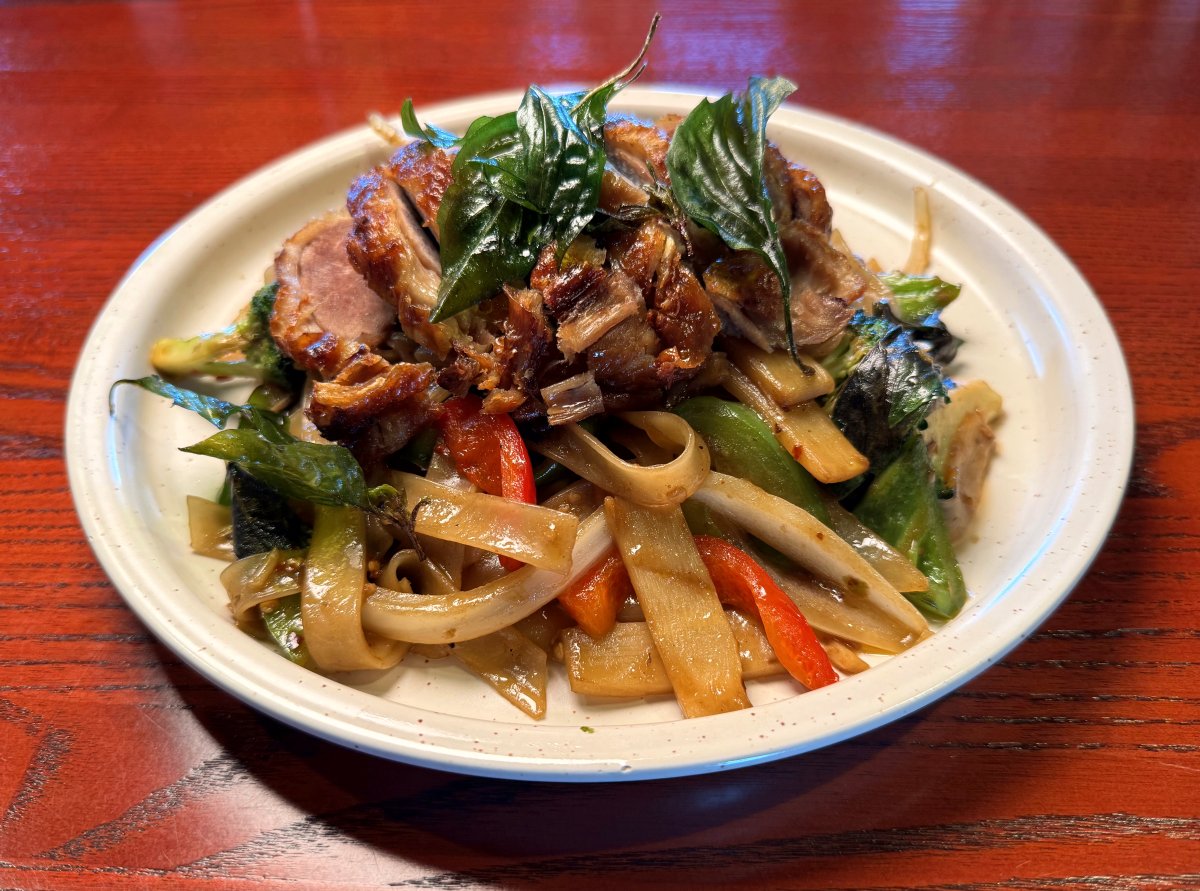
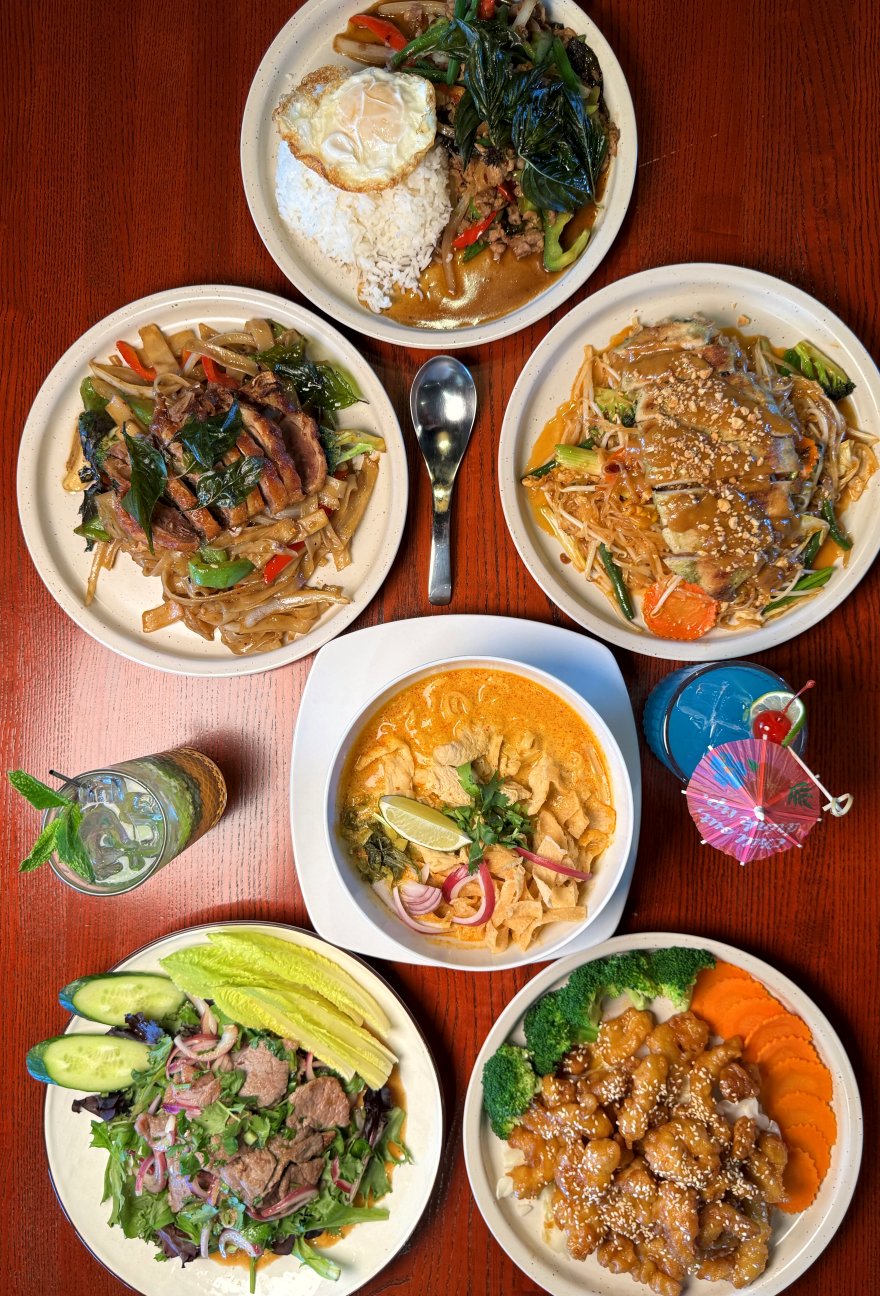
Anyone who has cooked Drunken Noodles more than a few times learns the same lesson, usually the hard way: the noodles, the sauce, and the heat matter, but basil is what decides whether the dish tastes alive or merely competent.
That may sound like an overstatement for a single herb, especially in a stir-fry known for broad rice noodles, soy-based seasoning, chiles, and a quick flash of wok heat. Yet basil does more than sit on top as a green garnish. In a proper plate of Drunken Noodles, it cuts through sweetness, rounds the sharp edges of garlic and chile, and leaves a fragrant finish that lingers after the noodles are gone. Without it, the dish can still be savory and spicy, but it often loses the aromatic lift that makes it distinctive.
This is one of those dishes where people tend to focus on the obvious variables. They debate whether the noodles should be fresh or dried, whether oyster sauce is essential, or how much fish sauce is too much. Those are fair questions. But if you pay attention to what separates a good restaurant version from a flat homemade one, basil usually sits near the center of the answer. Not because it is the only important ingredient, but because it ties the others together in a way very few herbs can.
The role basil plays in Drunken Noodles
Drunken Noodles, or pad kee mao, is not a delicate dish. It thrives on boldness. The sauce often leans dark and salty, with some sweetness and a slight fermented depth. Garlic arrives first. Chiles follow. Protein, if included, contributes savoriness and texture. The noodles absorb all of it, which is exactly what they should do.
That concentration creates a problem as well as a pleasure. Rich, salty, spicy foods can become monotonous after several bites if nothing interrupts the intensity. Basil is the interruption. It brings freshness, but not the polite kind of freshness you get from parsley or scallions. It offers a peppery, slightly anise-like aroma, sometimes clove-like depending on the variety, and it does so with enough force to stand up to heat and sauce.
This is why adding basil at the very end matters. If it goes in too early and cooks into submission, the fragrance fades and much of its purpose disappears. If it goes in too late and never really meets the heat, it can feel separate from the dish rather than integrated into it. The sweet spot is brief contact with the hot noodles and pan, just enough to wilt the leaves and wake up the oils.
A well-made plate of Drunken Noodles should feel layered. First comes the savory glaze on the noodles, then a hit of chile, then the aromatic bloom of basil. That sequence is part of the dish’s identity. Remove the herb and the flavor still lands, but it lands flatter.
Not all basil behaves the same in the pan
One source of frustration for home cooks is that they use “basil” as if it were a single ingredient with a consistent flavor. It is not. The basil sold in many American supermarkets, often labeled sweet basil or Genovese basil, is not the same as Thai holy basil, and it does not perform the same role.
In many Thai kitchens, the basil associated most strongly with Drunken Noodles is holy basil, often called kaphrao. It has a more assertive, peppery, almost wild aroma. The leaves are usually more delicate and slightly https://elliotteust177.clearminster.com/posts/best-protein-options-for-drunken-noodles jagged than Italian basil, and the stems can carry a lot of fragrance too. This is the basil that gives the dish its characteristic edge. It smells less soft, less rounded, and more electric.
Thai basil, the variety with narrow leaves and purple stems, is more commonly available in Asian markets. It brings a noticeable licorice note and better heat tolerance than Italian basil. While it is not identical to holy basil, it is often a better substitute than standard sweet basil because it contributes more personality and holds up better in a hot wok.
Italian basil can work, especially if it is what you have, but the result changes. The dish tends to become softer and more familiar, almost drifting toward a fusion profile. It is pleasant, but the high, spicy aromatic note is muted. If you have ever wondered why your homemade Drunken Noodles taste “good but not restaurant good,” basil choice is one of the first things worth investigating.
That difference becomes especially clear when the sauce is strong. Oyster sauce, soy sauce, and fish sauce create density. Holy basil cuts through that density. Sweet basil tends to melt into it.
Why basil matters even more than extra chile
Spice gets a lot of attention in Drunken Noodles, partly because the name encourages that. People expect heat. Some versions are indeed fiery, enough to make you slow down and chase each bite with water or beer. But spice alone does not create depth. In fact, when cooks try to compensate for missing basil by adding more chile, they usually make the dish harsher, not better.
Heat without aroma is blunt. Basil turns that heat into something more dimensional. It does not reduce the chile’s force so much as give it contour. A bite that would otherwise read as salty and hot becomes savory, hot, and fragrant. That distinction matters.
There is also a practical reason basil carries so much weight. Chiles vary wildly. One handful of bird’s eye chiles can taste twice as hot as the next. Sauce brands differ. Even noodles absorb seasoning differently depending on freshness and moisture content. Basil helps stabilize the perception of the dish. It contributes a recognizable top note that can make small variations elsewhere feel intentional rather than off-balance.
In restaurant kitchens, this is one reason experienced cooks guard the herb station carefully. If the basil is old, bruised, or missing, the dish loses consistency. Customers may not identify the problem by name, but they notice the result.
Freshness is not optional here
There are dishes where dried herbs can stand in reasonably well, or where a tired bunch from the back of the refrigerator can be chopped and hidden without much harm. Drunken Noodles is not one of them.
Basil oxidizes quickly. Its leaves darken, its aroma dissipates, and the sweet-spicy oils that make it valuable begin to fade. If the bunch smells weak before it hits the pan, the finished dish will feel weak no matter how carefully you build the sauce. This is a common issue in home kitchens because people buy basil for one meal, use part of it, and then try to stretch the rest across several days. By day three or four, the flavor drop can be dramatic.
The basil should look lively and smell immediate. When you tear a leaf, it should release fragrance right away. If you need to lean in close and search for it, the dish will suffer.
There is a practical kitchen habit that helps. Treat basil more like flowers than like sturdy produce. Trim the stems, keep them in a little water if possible, and avoid chilling them too hard if your refrigerator runs very cold. Basil dislikes cold damage. Blackened leaves can happen overnight in the wrong spot.
The moment basil meets the wok
Timing is where many otherwise solid versions of Drunken Noodles stumble. The dish moves fast. Aromatics go in, protein cooks, vegetables soften slightly, sauce hits, noodles loosen and absorb, then everything races toward the finish. Basil belongs at the end, but “the end” has a narrow window.
Drop it in too soon and the leaves disappear into the sauce, leaving color but not much perfume. Add it after plating and the leaves stay raw and disconnected, like an afterthought scattered across the top. The best approach is to toss the basil into the pan after the noodles are sauced and nearly done, then give it just a few turns over strong heat. Five to fifteen seconds is often enough, depending on quantity and pan heat.
That brief exposure matters because heat volatilizes aromatic compounds. You want them released, not destroyed. A ripping hot wok helps because the noodles finish quickly, giving the basil a short, intense contact rather than prolonged cooking. Home stoves rarely mimic restaurant burners perfectly, which means many home cooks compensate by keeping the pan on the heat too long. That extra minute is often exactly what flattens the basil.
If you have ever tasted a plate where the basil aroma hits your nose before the fork reaches your mouth, timing was probably right.
Choosing the right amount
Another mistake is timidity. Because basil is technically an herb, some cooks use it as though they were seasoning tomato sauce, adding just a few leaves to avoid overpowering the dish. Drunken Noodles asks for more confidence than that.
A generous handful for two servings is not excessive, especially if you are using holy basil or Thai basil with tender stems attached. The herb should be present enough that it announces itself in both aroma and flavor, not so dominant that the dish becomes a basil stir-fry, but clearly more than decorative.
The exact amount depends on the variety. Italian basil often needs a larger quantity to register against a salty, spicy sauce. Holy basil, being more pungent, can use a bit less while still making its presence felt. The protein and vegetables in the pan matter too. A noodle-heavy version with little else may need less basil than one loaded with beef, chicken, or seafood, all of which can absorb attention away from the herb.
Here is a practical way to think about it.
- If the basil disappears into the background, you used too little or cooked it too long.
- If every bite tastes mainly herbal and the sauce seems distant, you used too much.
- If the aroma rises first, then folds into chile and savoriness, the balance is close.
- If sweet basil is your only option, increase the quantity slightly and add it at the last possible moment.
These are not rigid rules, but they hold up well in real kitchens.
Basil and the sauce are in a conversation
It is tempting to discuss basil as though it operates independently, but its effect depends heavily on the sauce underneath it. Drunken Noodles usually rely on a blend of salty, savory, and slightly sweet ingredients, often with some caramelized edges from high-heat cooking. Basil changes how that blend is perceived.
With a salt-forward sauce, basil provides relief and openness. With a sweeter sauce, it keeps the dish from feeling sticky or heavy. With a fish sauce-heavy version, it can soften the funk at the edges without erasing it. This is why basil often matters more in home cooking than in restaurant cooking. At home, sauces tend to be less precise, either because measurements are approximate or because brands vary. Basil can help bridge those gaps.
That does not mean the herb can rescue a bad sauce. If the noodles are too wet, too sweet, or underseasoned, basil will not save the dish. But it can sharpen a decent one into something memorable. In practical terms, that makes it one of the highest-impact finishing ingredients in the recipe.
I have seen cooks fuss for ten minutes over exact sauce ratios, then stir in a tiny handful of bruised basil and wonder why the final pan tastes muddled. The ratio work matters, of course, but fragrance is what gives the dish its final clarity.
When substitutions work, and when they do not
Substitutions are a reality, especially for cooks outside areas with good Southeast Asian markets. The question is not whether substitution is allowed. It is whether the cook understands the trade-off.
If holy basil is unavailable, Thai basil is usually the strongest substitute. The flavor shifts toward a more licorice-forward profile, but the dish remains recognizably in the family. If only Italian basil is available, the result can still be enjoyable, though less peppery and less sharp. Mixing a small amount of mint or extra chile with Italian basil is sometimes suggested, but that can create a confused profile if done carelessly. Mint cools differently, and too much makes the dish taste detached from its Thai roots.
There are substitutions that simply do not pull their weight. Dried basil is not a serious option here. Neither is pesto-adjacent sweet basil paste or old chopped basil from a tube. Those products have their uses, but Drunken Noodles depend on fresh aromatic release. Once that is gone, you are building a different dish.
The same judgment applies to vegetable additions. Bell peppers, onions, and baby corn often appear in restaurant versions, especially outside Thailand. They can work. But the more you load the pan with watery vegetables, the more you dilute the impact of the basil and the sauce. This matters because home woks or skillets usually lack the heat to evaporate excess moisture quickly. The result is a softer, steamier dish where basil has less room to shine.
Common mistakes that hide the basil
Several repeat offenders show up in underwhelming Drunken Noodles. The pattern is familiar enough that it is worth naming plainly.
- Using tired basil with faded aroma
- Adding the herb too early and cooking off its fragrance
- Building a sauce that is too sweet or too wet
- Crowding the pan so the noodles steam instead of fry
- Choosing sweet basil, then using too little of it
Most disappointing results trace back to one or more of these issues. None is difficult to fix once recognized.
Basil changes the texture experience too
Flavor gets most of the attention, but basil influences texture in subtle ways. Fresh leaves wilt into the noodles and create little bursts of tenderness and moisture among the chewy rice strands. Tender upper stems, especially from Thai or holy basil, add a slight snap. That contrast helps a stir-fry feel dynamic rather than uniformly slick.
This matters more than people think because Drunken Noodles can become texturally one-note very quickly. Broad rice noodles are satisfying, but also dense and sticky when piled together. Basil breaks that continuity. A bite with a wilted leaf feels lighter than one without it, even if the sauce amount is identical.
That is part of why the herb should be torn or left in medium pieces rather than minced. Tiny chopped bits vanish. Larger leaves hold identity. The diner notices them, and that notice is important. The dish should not only taste fragrant. It should look and feel fragrant.
A note on authenticity and practical cooking
Authenticity conversations around Thai food often become more rigid than useful. There is value in respecting the logic of a dish, learning its traditional ingredients, and recognizing that restaurant adaptations sometimes drift far from the original. Basil belongs in that conversation because the herb is not incidental to pad kee mao. It is one of the clues to what the dish is trying to be.
At the same time, practical cooking matters. Not every home cook can buy holy basil on a weeknight. Not every city has a market that stocks it reliably. Good judgment beats purity tests. If Thai basil is available, use it confidently. If sweet basil is all you can find, make the rest of the dish as strong and clean as possible, then add the basil late and generously. You will not reproduce the exact aromatic profile of a Bangkok street-side version, but you can still make a dish that honors the balance.
The key is not pretending all basils are equal. They are not. Once you accept that, you can cook with intention instead of disappointment.
What experienced cooks notice first
When cooks who know this dish taste a version for the first time, they often register the basil almost immediately, even before they comment on salt or spice. If the aroma blooms as the plate arrives, expectations rise. If the dish smells mostly of soy, garlic, and oil, something is missing.
That instinct is rooted in repetition. After enough good plates, you recognize the signature. It is not merely “basil flavor.” It is the way basil lifts the char from the wok, threads through the chile heat, and leaves a clean aromatic edge on the finish. It turns a heavy noodle stir-fry into something vivid.
This is also why leftover Drunken Noodles rarely taste quite as compelling the next day. The noodles may reheat well enough, but basil’s brightest notes are fleeting. They are strongest in the moments right after the pan comes off the heat. Fresh basil added during reheating can restore some life, though never perfectly. That is not a flaw in the dish. It is a reminder that aroma is part of its architecture.
The herb that makes the dish feel complete
Drunken Noodles have enough built-in appeal to survive mediocre handling. Broad noodles, glossy sauce, garlic, and chile can carry a lot of goodwill. But survival is not the same as excellence.
Basil is what often separates a passable bowl from one that feels precise. It brings contrast without dilution, fragrance without fragility, and enough force to stand shoulder to shoulder with some of the loudest ingredients in the pan. Few herbs can do that. Fewer still can do it while making the whole dish taste more coherent.
So when people ask why their homemade Drunken Noodles never quite hit the same note as the best restaurant versions, I usually ask about the basil before anything else. What kind was it? How fresh was it? When did it go in? How much did you use?
Those answers reveal a great deal. In a dish built on speed and intensity, basil is not a minor flourish. It is one of the final decisions that determines whether the noodles taste merely hot and salty, or unmistakably like Drunken Noodles.
Nakhon Luang Thai Kitchen
Address: 805 Village Center Dr, Colorado Springs, CO 80919
Phone number: +17195315175
FAQ About Drunken Noodles
What makes it drunken noodles?
Drunken noodles, or Pad Kee Mao, get their name from the Thai word khi mao (meaning "drunkard"). They contain no alcohol. The name comes from the idea that the dish is a popular late-night meal to cure a hangover or a great food to eat with a cold beer.
What is the difference between pad see ew and drunken noodles?
While both Pad See Ew and Drunken Noodles use the same wide rice noodles, Pad See Ew is a mild, sweet-savory dish made with dark soy sauce and Chinese broccoli, whereas Drunken Noodles (Pad Kee Mao) are fiery, garlicky, and herbaceous with fresh chilies and Thai basil.
What are traditional drunken noodles?
Traditional drunken noodles, known as Pad Kee Mao in Thai, are a fiery, savory street food stir-fry made with wide flat rice noodles, fresh garlic, lots of hot chilies, meat or tofu, and fragrant holy basil. Despite the name, they contain no alcohol; the dish is traditionally eaten late at night or as a hangover cure because the intense spice helps clear the head.