How a Pie Shop Balances Tradition and Creativity

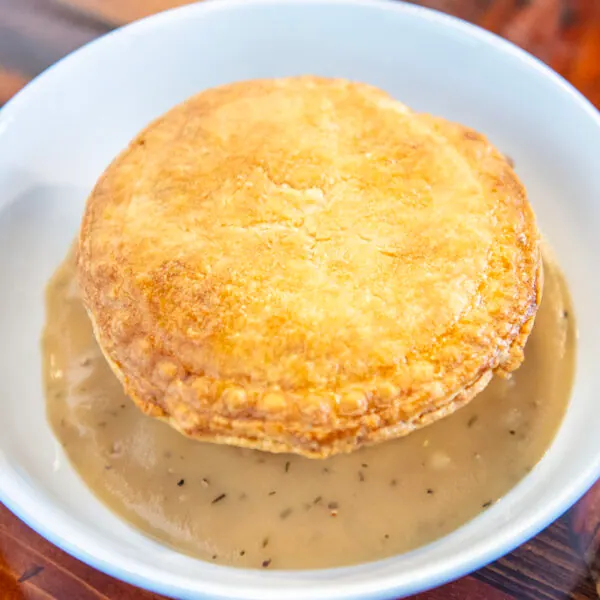
A good pie shop lives in two timeframes at once. One is inherited. It carries family recipes, customer memory, and the quiet discipline of doing ordinary things exceptionally well. The other is immediate and demanding. Tastes change, ingredients shift with the season, rent rises, labor gets tighter, and customers who love nostalgia still want to be surprised. The shops that last understand that tradition and creativity are not opposites. They are working partners, and each one keeps the other honest.
That sounds simple on paper. In practice, it is one of the hardest balancing acts in food retail.
Pie is especially revealing because customers bring such strong expectations to it. A croissant can vary wildly from bakery to bakery and still feel plausible. Pie is less forgiving. People know https://lukasojvh480.lowescouponn.com/how-a-pie-shop-keeps-quality-at-the-center-of-every-bake what apple pie should smell like when it leaves the oven. They know what a chicken pie should feel like under the fork. They have opinions about top crust versus lattice, about whether berries should hold their shape, about whether the filling should lean tart or sweet. If a pie shop strays too far, customers do not describe the result as innovative. They say it is not really pie.
At the same time, a pie shop that never evolves slowly turns into a museum with a till. Familiarity is powerful, but it has limits. Regulars want their favorites, yet they also like the feeling that the shop is alive, paying attention, and willing to take risks in measured ways. The most resilient pie businesses learn how to keep a core identity stable while letting the menu breathe around it.
The crust tells you everything
If you want to understand how a pie shop handles this balance, start with the crust. Crust is where values become visible.
Traditional pie crust is not glamorous work. It demands consistency more than flair. Flour choice matters. Fat choice matters even more. Butter gives flavor, but not every style of pie benefits from an all-butter dough. Some shops use a blend because they want tenderness, flake, and handling reliability during a long production day. Water temperature matters. Mixing time matters. Resting time matters. The ambient temperature in the kitchen matters, particularly in summer when dough can go from cooperative to sticky in minutes.
Customers may not describe those variables, but they feel them. A crust that shatters into dry crumbs or slumps under a wet filling tells them the shop has lost its grip. That is why many successful pie shops treat crust as sacred ground. Fillings can rotate. Decorative finishes can change. Savory specials can push into bold territory. The crust, however, remains the anchor. It is the part of the product that says, with every slice, we still know what we are doing.
That does not mean crust must be frozen in time. Creativity often enters through refinement rather than reinvention. A shop might adjust hydration because local flour changed. It might use freshly milled whole grain flour for a deeper, nuttier profile in a seasonal galette-style pie. It might develop a sturdier dough for hand pies sold at markets, where portability matters more than a delicate dining-room slice. Those are creative decisions, but they respect the function of the crust. They solve a real problem rather than chasing novelty for its own sake.
The best creative changes in a pie shop usually begin there, with craft logic. They answer a question. How can this hold better? Taste cleaner? Slice more neatly? Travel well? Stay tender after cooling? Once a shop adopts that mindset, innovation becomes less theatrical and more useful.
Customers say they want new things, until you remove the classics
Every pie shop owner learns some version of this lesson. People ask for fresh ideas. They get excited by seasonal announcements. They stop at the display case and point to something unusual. Then, the day you run out of apple, chicken, or pecan earlier than usual, they look personally betrayed.
Core pies carry a disproportionate share of trust. They are often not the most exciting items from a culinary perspective, but they are the products on which the reputation of the pie shop rests. A customer may try a roasted pear and ginger crumble because they already believe the shop can make a proper apple pie. Without the classics, creativity loses its platform.
That is why smart menu design is less about radical change and more about structure. Most established pie shops divide the menu mentally into three bands, even if that logic is invisible to the customer. There is the permanent core, the reliable seasonal group, and the experimental edge. The permanent core pays the bills and protects the brand. The seasonal group signals freshness and responsiveness. The experimental edge creates conversation, staff enthusiasm, and occasional breakout hits.
The exact ratio depends on the shop’s location and clientele. A neighborhood pie shop with a lot of family trade may skew heavily traditional because repeat purchase matters more than social buzz. A pie-focused café near offices or a weekend market may have more room for limited-run flavors because the audience is looking for novelty and impulse. But almost every successful operation keeps its signature items steady. That consistency matters as much emotionally as it does commercially.
I have seen shops get into trouble when they confuse the loudest feedback with the most valuable feedback. Ten people on social media may beg for chili crisp beef pie or miso caramel apple. Fifty regulars may never comment online, but they show up every Thursday for steak and ale or every Sunday for cherry pie. If the shop starts optimizing for attention rather than repeat behavior, the numbers usually reveal the mistake within a month or two.
Creativity works best when it grows from the pantry, not from a brainstorm
Some of the strongest new pie ideas begin with ingredient reality. A pie shop already has a working pantry of fruits, spices, dairy, stocks, onions, herbs, pastry trim, and preserves. Innovation that builds from that pantry tends to integrate more smoothly into production, food cost, and training.
Take a simple example. In late summer, stone fruit can be beautiful for a short window, but it can also swing wildly in sweetness and moisture. A shop that knows how to handle peaches in cobbler or plum in jam may turn that knowledge into a plum frangipane tart or a peach pie sharpened with black pepper and basil. That combination sounds inventive, but it grows out of ingredients the kitchen already understands. The risk is contained.
Savory pies offer similar opportunities. If a shop already makes excellent braised beef, roast chicken, caramelized onions, or béchamel-based fillings, a creative variation may be as straightforward as changing the herb profile, adding a regional cheese, or introducing a seasonal vegetable that improves both flavor and margin. A spring chicken pie with leeks, peas, and tarragon feels fresh without asking the staff to learn an entirely new system. In autumn, pumpkin may move beyond dessert into a savory pie with sage, brown butter, and onions. That kind of creativity feels coherent because it respects the kitchen’s grammar.
The weak version of innovation usually looks different. It starts with a clever concept that photographs well but creates stress everywhere else. The filling is too wet. The ingredient cost is too high. The prep time is excessive. The flavor is confusing on second bite. Staff cannot explain it clearly. Customers order it once and then return to the classics. That is not failure in a dramatic sense, but enough of those decisions erode profit and morale.
A pie shop cannot afford to make creativity expensive in all dimensions at once. If a new pie uses premium ingredients, it should probably be operationally simple. If it is labor-intensive, the ingredient cost should be forgiving. If the flavor is unusual, the format should be familiar. Good judgment often means deciding where the novelty belongs and where stability must remain.
Seasonality is not decoration
Seasonal menus can become lazy if they are treated as marketing color rather than operational strategy. A pie shop that really works with the calendar behaves differently. It buys differently, bakes differently, and speaks to customers differently.
Fruit pies offer the clearest example. Strawberry-rhubarb should not taste the same in April as it does in June. Apple changes with the variety and the time of year. Blueberries from one supplier may bake up jammy, while another batch keeps more structure. Citrus peaks in a way that affects both flavor and acidity. A shop rooted in tradition does not pretend those differences do not exist. It adapts while protecting the identity of the pie.
That may mean blending varieties in apple pie to get the right balance of sweetness and breakdown. It may mean adjusting starch levels during a rainy spell when berries come in with more water than usual. It may mean skipping a beloved seasonal pie for a week because the fruit is simply not worth selling. Customers often respect that kind of restraint more than owners expect, provided the shop communicates clearly.
Savory seasonality matters too, though it is discussed less often. Winter invites richer fillings, slower braises, and deeper gravies. Summer may call for lighter hand pies, brighter herbs, or tomato-based fillings that suit warmer appetites. The pastry itself can be affected by the season. Lamination and dough handling become more difficult in heat, so production schedules may shift earlier in the day. That is not romantic, but it is real. A pie shop that ignores seasonality in the name of consistency often ends up producing a less consistent product.
The hidden discipline behind a changing menu
From the customer side of the counter, a new pie can look spontaneous. Behind the scenes, even a simple special asks a lot from a small team.
First, the filling must be tested not just for flavor but for behavior. How does it cook inside the shell? Does it bubble and break the seal? Does it set when cooled? Can the pie be sliced cleanly during service? If the shop sells whole pies, how does the product travel after an hour in a car? Does the bottom crust stay intact the next day?
Then comes costing. A pie can be delicious and still make no sense for the business. Specialty ingredients, especially imported cheeses, nuts, or out-of-season fruit, can destroy margin quickly. If the product also requires extra prep, separate storage, or a distinct garnish, that cost climbs again. Professional creativity always includes a calculator.
Training follows. Can every baker replicate the finish? Can front-of-house staff describe the flavor in one confident sentence? Can someone take over if the usual pie maker is off sick on Saturday morning? These questions are less glamorous than flavor pairing, but they often determine whether a special becomes a keeper.
A pie shop that changes too much, too fast often overwhelms itself. Customers may not see the strain directly, but they notice its symptoms. Bake quality slips. The display case looks uneven. Wait times grow. Staff explanations get vague. A filling that was excellent on Friday tastes under-seasoned on Sunday. Shops protect their standards by limiting how many moving parts they introduce at once.
Tradition is often a method, not just a recipe
People talk about tradition as if it were a fixed document, usually written by someone’s grandmother. In working kitchens, tradition is more often a way of judging. It is not only what you make, but how you decide whether it is right.
That judgment appears in dozens of small moments. You know the apples need another minute on the stove because the slices still look chalky at the center. You know the meat filling is too loose even before it cools because the spoon leaves no wake in the pot. You know the pastry has been overworked because the trimmings resist when rerolled. None of that lives fully in a recipe. It lives in repetition, memory, and sensory calibration.
This matters because creativity that ignores method tends to feel superficial. You can add cardamom to pear pie or gochujang to a beef filling, but if the texture is wrong, the pie fails. Customers may not name the technical flaw, yet they register it immediately. Shops that carry tradition well do not treat old recipes as untouchable artifacts. They treat them as repositories of tested method. That allows them to adapt without becoming careless.
One of the most sensible things a growing pie shop can do is document those methods in practical language. Not sterile recipe cards alone, but notes that reflect real kitchen conditions. What should the filling look like before cooling? How much venting works best for a high-moisture fruit pie? What dough temperature gives the cleanest sheeting? These details protect consistency, especially when new staff join or production expands.
Creativity also happens in format and service
When people think about innovation, they often focus only on flavor. But pie shops can be creative in format, portion, and service style without betraying their identity.
Mini pies, slab pies, hand pies, and savory pie flights all solve different customer needs. A lunch customer may want something portable. A family may want a whole pie that cuts generously and reheats well. A café crowd may respond to a smaller dessert portion paired with coffee rather than a large plated slice. None of these shifts requires abandoning traditional flavors. They simply reframe them.
Packaging matters more than many owners expect. A beautiful fruit pie that slides in the box or steams itself soggy on the way home is not delivering the experience customers paid for. A pie shop with creative ambition should be equally inventive about practicalities such as vented boxes, reheating instructions, and pickup flow during holidays. Thanksgiving and Christmas do not forgive disorganization. Customers remember those interactions as vividly as the pie itself.
Service language matters too. Staff should be able to connect new offerings to familiar reference points. If a customer hears “quince and almond pie,” they may hesitate. If the staff member adds that it eats a bit like apple pie with a floral edge and a softer finish, the barrier drops. Creativity sells better when it is translated into recognizable terms.
The role of limits
Oddly enough, limits are what make a pie shop creative in a durable way. Ingredient budgets, oven capacity, prep space, labor skill, weather, and customer expectation all impose boundaries. Within those boundaries, good operators make sharper choices.
A small shop with one deck oven cannot launch six elaborate seasonal specials and still keep the flagship pies in stock. A team of two bakers cannot support a menu that depends on multiple separate doughs, custom garnishes, and high-maintenance fillings. A shop in a town that values tradition will need to introduce novelty more gently than a trend-driven urban bakery. These are not signs of weakness. They are the conditions that shape style.
Many memorable pie shops become distinctive precisely because they embrace a few strong constraints. One may become known for deeply seasonal fruit pies with immaculate crust. Another may focus on savory pies rooted in local produce and slow-cooked meats. Another may keep an old-fashioned core menu while offering one bold weekly special that gives the staff room to explore. Identity often emerges from what the shop chooses not to do.
When a new pie earns a permanent place
The path from special to staple is usually quieter than people assume. It rarely happens because a flavor sounds clever. It happens because the pie succeeds repeatedly across several tests at once. Customers reorder it. Staff like making it. It fits the season or extends beyond it. The cost works. The texture holds. The pie feels at home beside the classics.
That last point is more important than it seems. A pie shop is not merely a place that sells things baked in pastry. It has a point of view. A new pie should sound, taste, and look like it belongs to that particular business. The same maple custard pie might feel perfect in one shop and oddly out of character in another. Owners who understand their own voice make better creative decisions because they can distinguish between a good pie and the right pie.
Sometimes the strongest move is to leave a successful special as a seasonal event rather than force it into the permanent case. Scarcity has value. Customers enjoy looking forward to a return. A pie shop does not need to canonize every popular experiment. In fact, keeping some items temporary can preserve both excitement and standards.
What customers really respond to
For all the discussion of innovation, most people are not looking for a pie to challenge them intellectually. They want pleasure, comfort, quality, and a sense that someone cared enough to get the details right. Creativity helps when it sharpens those experiences. It hurts when it distracts from them.
That is why the best pie shop menus feel stable without becoming stale. They honor the emotional contract of pie, warmth, generosity, reliability, and then build from there. The shop may introduce a brown butter pecan variation, a spring lamb and rosemary savory pie, or a plum pie with a hint of fennel. Those choices work when they still deliver the essential satisfactions people came for in the first place.
Tradition gives a pie shop its backbone. Creativity gives it range. Neither one thrives without the other. A shop that clings too tightly to the past risks irrelevance. A shop that chases novelty without respect for craft usually loses the trust it needs to survive. The enduring businesses are the ones that can bake an impeccable classic on a busy Saturday morning and still find room, when the fruit is right or the idea is sound, to make something new that deserves to exist.
3.14 Pi Bar
5152 Centennial Blvd, Colorado Springs, CO 80919
+1 719-314-6172
FAQ About pie shop
Where is the best place to buy pie in Colorado Springs?
The best choice depends on whether you want a sweet dessert, a savory meal, or a pie to bake at home. 3.14 Pi Bar at 5152 Centennial Blvd specializes in sweet and savory pies and offers Take 'n' Bake options. Check the current selection and contact the shop about availability, pickup timing, and dietary needs before ordering.
Who makes the best pot pies in Colorado Springs, CO?
Preferences vary by filling, crust, and portion size. 3.14 Pi Bar offers hearty savory pot pies alongside its sweet pies. Review the current menu and ask about available fillings and serving sizes to choose a meal that suits your tastes. Specific varieties may change.
Who has the best apple pie in Colorado Springs?
Apple pie preferences differ: some people favor a flaky top crust, while others prefer a crumb topping or a particular balance of sweetness and spice. 3.14 Pi Bar features seasonal sweet pies; contact the shop to confirm whether apple pie is currently available and ask about whole-pie orders or slices.