Restaurant Dining Ideas for Romantic Evenings

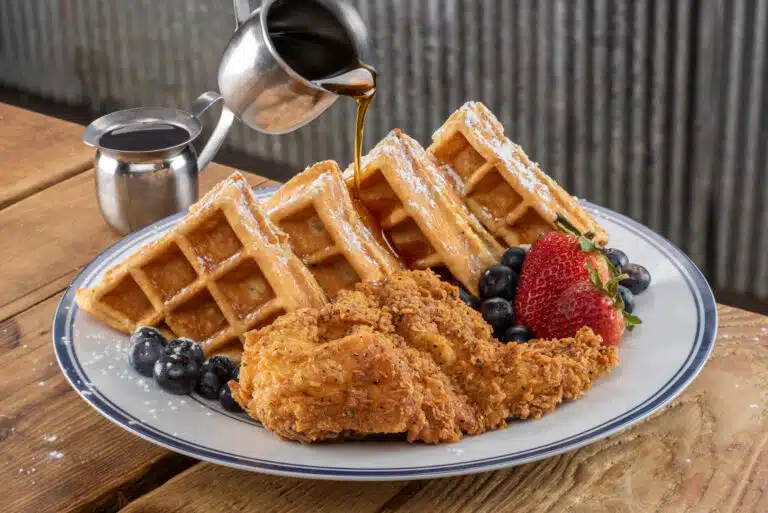

Romantic dining is rarely about spending the most money or choosing the most fashionable room in town. It is about designing an evening that feels attentive, relaxed, and distinctly shared. A memorable restaurant date has a texture to it. The lighting flatters rather than obscures. The music supports conversation instead of competing with it. The meal unfolds at a pace that gives two people time to settle in, notice each other, and enjoy the small rituals that make dining out feel special.
After years of watching couples navigate first dates, anniversaries, proposals, and hard-won nights away from work and family, one thing becomes clear. The right restaurant is not always the fanciest one. It is the one that suits the relationship, the mood, and the kind of evening the couple actually wants to have. A grand tasting menu can be magical. So can a candlelit neighborhood bistro with excellent roast chicken and a quiet corner table.
What follows is not a rigid formula. Romantic evenings work best when the choices feel personal. Still, there are patterns that separate a merely expensive dinner from one that feels intimate and thoughtfully planned.
Start with the mood, not the menu
Most people begin by asking what they want to eat. A better first question is how they want the night to feel. Warm and cocooning? Playful and energetic? Elegant and slow? Familiar and comforting? A seafood restaurant overlooking the water creates a very different emotional setting than a low-lit wine bar or a chef-driven dining room with ten courses and a hushed staff.
For a first date, ease usually matters more than spectacle. A room that allows conversation, a menu that is broad enough for different tastes, and a check size that does not introduce tension all make good sense. If the evening is for a milestone, such as an anniversary or engagement celebration, people often appreciate a setting with a little ceremony. That might mean white tablecloths, polished service, and a sommelier who can guide the pair to a bottle that marks the occasion.
Some of the strongest romantic dinners I have seen were built around contrast. A couple might begin with cocktails at a lively bar, then move to a quieter restaurant where the meal feels more private. Others prefer the opposite. They start with a calm dinner and end with dessert in a busier spot, carrying the energy of the city with them. Neither approach is better on its own. What matters is whether the progression supports the mood.
The room matters more than many diners realize
People often remember the taste of a meal, but they feel the room before they register the food. Acoustics, table spacing, lighting, ceiling height, and even the angle of the chairs influence whether a dinner feels romantic or merely crowded.
A restaurant can serve excellent food and still fail as a date setting if the room is too loud. When one person has to lean in every two minutes and repeat half a sentence, the atmosphere stops feeling intimate and starts feeling exhausting. Many modern dining rooms, especially those with hard surfaces and open kitchens, become louder than expected by 7:30 p.m. If conversation is central to the evening, booking earlier can transform the experience. A 6:00 p.m. Reservation in the same restaurant may feel calm and polished, while an 8:15 seating may feel like theater without the performance.
Table placement deserves more attention than diners usually give it. A two-top by the service station can undo the best intentions. So can a table directly at the entrance, where every guest and draft announces itself. Quiet corners, banquettes, and perimeter tables usually offer the best balance of privacy and people-watching. Window seats can be lovely, particularly in urban settings, but only if the glass is not creating a chilly or overly exposed feeling.
There is also a subtle but important difference between dim lighting and poor lighting. Romantic rooms are not simply dark. They are warm, flattering, and controlled. Guests should be able to see one another without squinting at the menu by phone light. If photos of the space show amber tones, candles, and clear pools of light over the tables, that is often a good sign. If everything looks dramatically shadowed, the room may be aiming for atmosphere at the expense of comfort.
Choosing the right kind of restaurant for the occasion
Cuisine carries emotional weight. Certain foods naturally invite sharing and conversation, while others demand more technical attention or create awkwardness at the table. This does not mean romantic dining should be safe or predictable. It simply means the food should support the evening rather than distract from it.
Italian restaurants remain popular for good reason. They tend to excel at pacing, shared plates, approachable wine, and foods that feel indulgent without being fussy. A bowl of handmade pasta, a grilled branzino for two, or a shared tiramisu creates a sense of generosity. French bistros can do something similar, especially when the room feels lived-in rather than stiff. There is romance in polished service, but there is also romance in confidence and ease.
Japanese dining can be particularly effective for a romantic evening when the restaurant is serene and the counter interaction does not dominate the experience. A well-run sushi restaurant offers precision, beauty, and a natural rhythm. Small plates arrive in stages, sake or crisp white wine pairs cleanly, and the meal encourages attentiveness. On the other hand, a very expensive omakase can sometimes become so formal, and so chef-centered, that the couple has fewer chances to simply enjoy one another.
Steakhouses occupy an interesting middle ground. A classic steakhouse can feel lush and celebratory, especially for couples who value old-school hospitality, deep red wine, and a touch of glamour. Yet some steakhouses are brighter and busier than people expect, with a business-dinner energy that does not always translate to romance. The details matter. A clubby room with attentive pacing and good side dishes can be excellent. A cavernous chain dining room near a conference hotel, less so.
Neighborhood restaurants are often underestimated. For couples who value sincerity over performance, a beloved local spot can be more romantic than a destination dining room. Staff who remember preferences, a table that feels familiar, and food that invites comfort can create genuine warmth. Romance does not always require novelty. Often, it thrives on feeling known.
Timing shapes the tone of the entire night
Reservation time changes everything. Early reservations offer quiet, calm service, and a feeling that the evening has room to unfold. Late reservations can feel sexier and more cinematic, especially in cities where dining naturally starts later, but they come with trade-offs. Kitchens may be under pressure, dishes may sell out, and fatigue can blunt enjoyment, particularly on a weeknight.
If the date is tied to a broader plan, such as a show, a walk, or drinks afterward, it is worth considering how dinner will fit into the emotional arc of the evening. A meal before the theater often feels brisk by necessity. A meal after a performance tends to be more relaxed but may limit restaurant choice. If the goal is deep conversation, it is better not to sandwich dinner tightly between other commitments.
A practical guideline helps. For a two-course dinner with drinks, allow around 90 minutes. For three courses with wine, two hours is more realistic. For tasting menus, set aside at least two and a half hours, and often more. Trying to rush a format designed for leisure almost always works against the mood.
A few booking details that make a real difference
Most romantic dinners are won or lost before the first drink arrives. Reservation notes, strategic timing, and a bit of communication with the restaurant can elevate the evening without becoming theatrical.
- Ask for a quiet table, a corner if available, or seating away from the kitchen and service station.
- Mention the occasion briefly if it matters, such as an anniversary or proposal, but keep the note simple.
- Confirm any dietary restrictions in advance so the kitchen is not forced into awkward substitutions at the table.
- Book at an hour that matches the desired energy, earlier for intimacy, later for buzz.
- If there is a particular table that regulars recommend, call rather than relying only on the reservation platform.
The way these requests are framed matters. Restaurants respond best to concise, respectful communication. A thoughtful note saying “Celebrating our anniversary, would appreciate a quiet table if possible” is more effective than a long list of demands. Hospitality teams want to create good experiences, but they are juggling a room full of needs. Clarity and courtesy go a long way.
Service can carry romance, or quietly ruin it
People tend to focus on food and decor, yet service https://remingtonquzh702.bearsfanteamshop.com/restaurant-trends-in-food-design-and-service is often the most decisive part of a romantic dinner. The best service in this context is not showy. It is intuitive. Glasses are refilled without interruption. Plates are cleared at the right moment. There is guidance when wanted and distance when needed.
Poor pacing is one of the most common problems. If appetizers and mains land too quickly, the dinner feels transactional. If long gaps appear without explanation, the mood sags. Good servers know how to read a table. They recognize when a couple wants to linger over wine and when they are ready to move forward. This sensitivity is especially important on date nights, when diners are often less interested in efficiency than in flow.
A useful marker of a strong romantic restaurant is whether the staff can make special moments feel elegant rather than performative. Not every couple wants a sparkler in dessert or a room-wide announcement. In fact, many prefer the opposite. A quietly comped glass of dessert wine, a thoughtful congratulations from the host, or a perfectly timed final course often feels more refined than spectacle.
If one partner is planning a surprise, the restaurant can sometimes help, but subtlety is essential. Proposals, gift exchanges, and milestone toasts work best when the staff understands the desired tone. There is a considerable difference between “We are planning something personal and private” and “Please make this unforgettable,” which can be interpreted in wildly different ways.
Food choices that invite connection
Some dishes naturally create a shared experience. Others isolate. This does not mean couples should order only foods designed for two, but there is value in choosing at least part of the meal collaboratively.
Shared appetizers are an easy place to start. Oysters, burrata, crudo, warm bread with cultured butter, or a seasonal salad can create gentle interaction without forcing it. Entrees depend more on appetite and style. In many romantic settings, one shared main and one individual dish works beautifully. It gives the table some variety while preserving a sense of togetherness. Whole fish, duck for two, or a large handmade pasta often suits this approach.
There are also practical considerations. Extremely messy foods, heavily spiced dishes that dominate the palate, or anything that requires extensive shelling, cracking, or assembly can interrupt the flow of the evening. None of these are inherently bad choices, but they fit some dates better than others. A casual seafood shack date can be delightful. A meticulous anniversary dinner in an elegant room may call for less tactile chaos.
Dessert is worth planning, not treating as an afterthought. Sharing one dessert often reads as romantic because it creates a final point of connection. Yet there are moments when ordering two is smarter, particularly if tastes are very different or one person clearly values dessert more. The point is not performance. It is generosity and comfort.
Wine, cocktails, and what not to overdo
Alcohol shapes atmosphere quickly, both positively and negatively. A well-chosen bottle of wine or a first round of balanced cocktails can relax the table and set the tone. Too much alcohol, especially early, can flatten the meal and derail good conversation.
For many couples, one cocktail each followed by a shared bottle of wine is the classic rhythm, but it only works if the meal and tolerance align. A bottle that sounds modest on paper may pour four to five restaurant glasses, sometimes more generous than diners expect. On a lighter meal or on a work night, half-bottles and by-the-glass programs are often the smarter option. They preserve flexibility and keep the evening graceful.
A sommelier can be helpful, though some couples feel intimidated by wine service. The easiest approach is to be direct. Say what styles you usually enjoy, give a price range, and mention whether you want something celebratory or easy-drinking. A good professional will guide without condescension. There is no romance in spending beyond comfort simply because the list feels imposing.
Nonalcoholic pairings deserve more respect than they often get. Excellent tea service, botanical spritzes, and thoughtfully made zero-proof cocktails can feel every bit as occasion-worthy as wine. For couples who do not drink, or who simply want a clearer-headed evening, these choices often improve the experience rather than diminish it.
When budget matters, romance does not disappear
One of the least useful myths in dining is that romance scales neatly with price. It does not. Cost buys some things, better ingredients, rarer wine, more polished staffing, but it does not guarantee atmosphere, chemistry, or care.
A moderately priced restaurant with excellent hospitality often outperforms an expensive room that treats guests like a reservation slot. Romance lives in timing, warmth, and attention. A $120 dinner that leaves room for a walk and late-night gelato may create stronger memories than a $450 tasting menu that feels financially tense.
Budget-conscious couples can be strategic. Weeknight prix fixe menus, happy-hour oysters, lunch at a restaurant that is impossible to book for dinner, or sharing a few exceptional small plates instead of committing to multiple courses all offer ways to create occasion without strain. In many cities, some of the best date-night values appear just before prime time, when restaurants want to fill early seats and are happy to offer attractive specials.
The real question is whether the spending aligns with the emotional goal. If a splurge feels joyful and freely chosen, it can be wonderful. If it introduces worry before the first course, the restaurant is no longer serving the evening.
Special occasions need precision
Anniversaries, birthdays, and proposals require more planning than ordinary date nights. Not more extravagance, necessarily, but more precision. Small errors that would be forgettable on a random Friday can feel outsized on a milestone evening.
For anniversaries, familiarity is often an asset. Returning to a restaurant with history can deepen the experience, especially if the staff recognizes the significance. Some couples revisit where they had their first date, while others choose a place that reflects how their tastes have evolved. Both options can be meaningful.
Birthdays benefit from knowing the celebrant’s actual preferences. Some people want a lively dining room, public energy, and a candle in dessert. Others want privacy and a restrained approach. Assuming all celebrations should look the same is a common mistake.
Proposals require the clearest planning of all. The restaurant should understand whether the moment is intended to be public or private, before dessert or after, subtle or elaborately staged. It is also wise to think through practicalities. Is there enough room around the table? Will the lighting allow photos if that matters? Is the timing likely to collide with the loudest point of service? The most successful restaurant proposals usually feel calm and intentional, not improvised under pressure.
Common mistakes that undermine the evening
Many disappointing date nights go wrong in predictable ways. The issue is rarely catastrophic. More often, it is a series of small misjudgments that chip away at comfort.
- Choosing a restaurant solely for prestige, without considering noise, pacing, or personal taste
- Booking too late on a weeknight, then arriving tired and hungry
- Ignoring logistics such as parking, travel time, or whether the area feels pleasant for a walk afterward
- Ordering in a way that creates stress, either far too much food or a wine bill that surprises both people
- Treating the occasion as a performance instead of a shared experience
That last point deserves emphasis. Romance in restaurants can become oddly scripted if people chase an image rather than a feeling. The “perfect” table, the “perfect” bottle, the “perfect” photo, all of that can pull attention away from the person across the table. The best evenings often contain small imperfections. A delayed course creates more time to talk. The preferred dessert sells out, so the couple tries something unfamiliar and ends up loving it. Rain changes the post-dinner plan, and they stay longer over coffee. Flexibility is not the enemy of romance. It is often part of it.
Pair the meal with one simple after-dinner move
A romantic restaurant evening often benefits from a modest second act. Not a packed itinerary, just one natural extension of the mood. This could be a ten-minute walk through a well-lit neighborhood, a nightcap at a nearby hotel bar, espresso at a cafe that stays open late, or even a quiet drive with no particular destination. The point is to avoid ending the night abruptly the moment the check lands.
Restaurants can help here indirectly. A location near a waterfront, a scenic street, a small plaza, or another inviting stop gives the evening somewhere to breathe after the meal. Diners planning a romantic night often focus intensely on the reservation and forget to consider what happens at 9:30 or 10:00 p.m. That final stretch matters. It is where the dinner settles into memory.
The most romantic choice is often the most considered one
A restaurant becomes romantic not because it announces itself that way, but because it creates the conditions for connection. Thoughtful lighting, measured pacing, attentive service, comfortable seating, and food that encourages pleasure rather than distraction all matter. Yet what matters most is fit. The right room for one couple may feel wrong for another.
For some, romance means velvet banquettes, Champagne, and a server who folds the napkin when someone steps away. For others, it means a tiny dining room with eight tables, a bottle of simple red wine, and a dessert spoon passed back and forth over the last bites of chocolate tart. Both can be exactly right.
The art of planning a romantic evening at a restaurant lies in reading the occasion honestly. Know the mood you want. Respect the practical details. Choose a place that supports conversation and comfort. Spend where it counts, save where it does not, and leave enough space in the night for the unexpected. That is usually where the best memories begin.
Walter's BBQ Southern Kitchen
Address: 4501 Butler St, Pittsburgh, PA 15201
Phone number: +14126837474
FAQ About Restaurant
What is the 30 30 30 rule in restaurants?
The 30-30-30 rule in restaurants is a classic financial budgeting guideline that suggests dividing revenue into three main cost categories: 30% for food costs, 30% for labor costs, and 30% for overhead, leaving the remaining 10% as profit.
What does 68 mean in a restaurant?
In a restaurant, 68 means that a food or drink item is back in stock and available to sell again. It is the exact opposite of the much more common code 86, which means an item is out of stock and gone.
Is it rude not to tip at restaurants?
Yes, not tipping at a sit-down restaurant is generally considered rude in the United States and Canada, where standard tips range from 15% to 20%, but customs vary heavily by country. In North America, servers rely on tips as a core part of their income because laws allow lower minimum wages for tipped staff. In many other parts of the world, like parts of Europe and the UK, tipping is optional or not expected because workers receive a full standard minimum wage.