Southern Restaurant Pittsburgh, PA: Why Locals Keep Coming Back

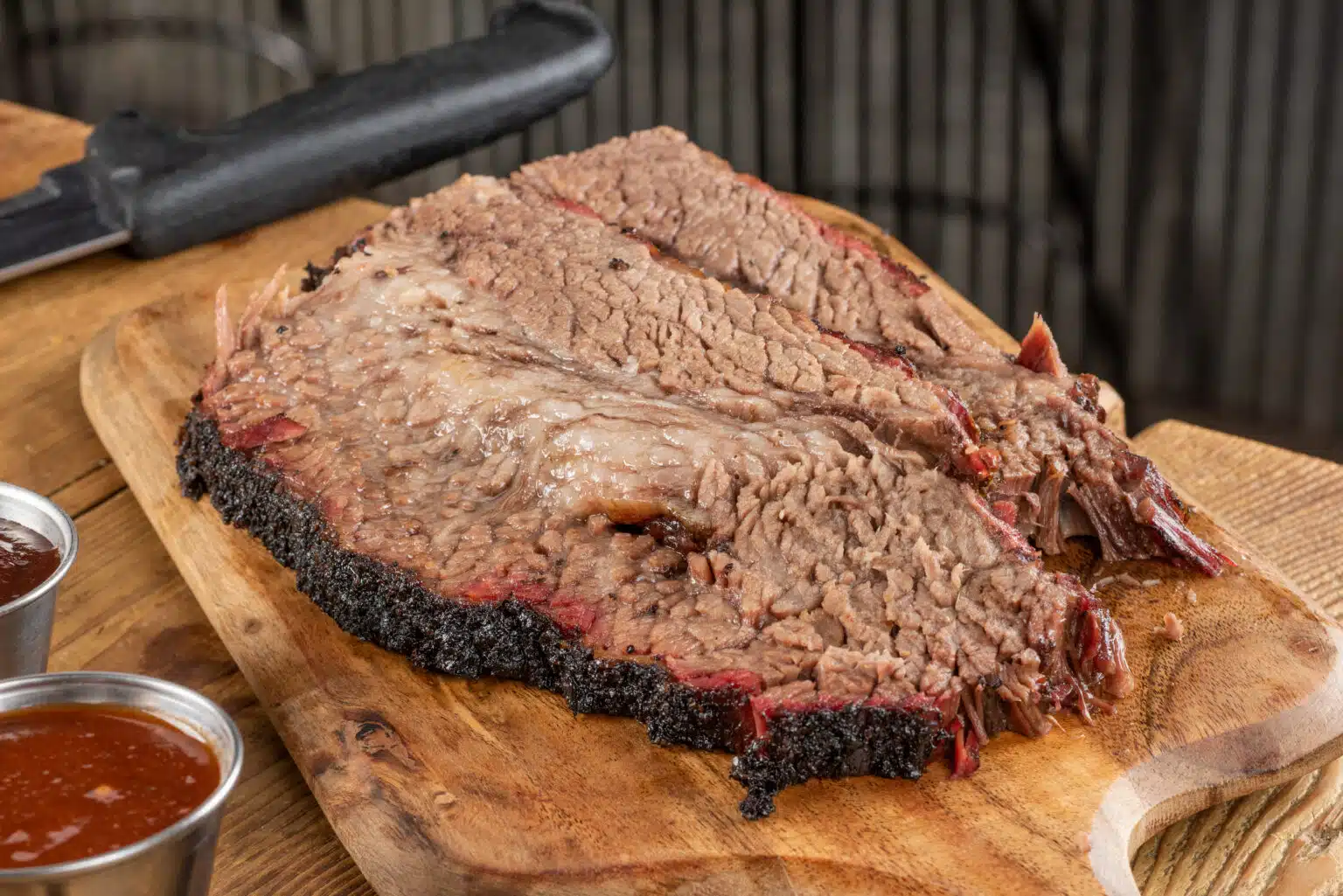
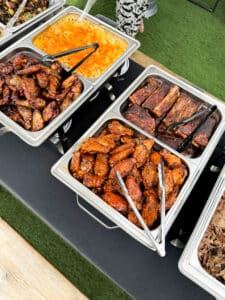
A good Southern restaurant does more than serve fried chicken, biscuits, and collard greens. It creates a kind of ease that people recognize before they even sit down. The room feels broken in, not tired. The food arrives with confidence, not gimmicks. The staff knows that hospitality is not a script, it is timing, memory, and a certain generosity of spirit. When people in Pittsburgh find a place like that, they return often, and they bring other people with them.
That matters in a city with a dining scene that has grown sharper, more varied, and more self-aware over the last decade. Pittsburgh diners are not short on choices. They can get polished tasting menus, neighborhood tavern food, old-school Italian, excellent bakery culture, and a strong range of international cooking. For a southern restaurant Pittsburgh, PA diners will actually keep in regular rotation, the bar is higher than many owners realize. It is not enough to trade on comfort food nostalgia. The food has to hold up, the atmosphere has to feel natural, and the experience has to make sense on an ordinary Wednesday, not only during brunch or a special occasion.
That is where the places that last separate themselves from the ones that feel temporary.
Pittsburgh appreciates comfort, but it also rewards substance
Pittsburgh is a practical food town. Even when diners are spending freely, they want to feel that they got something real for their money. Southern food, at its best, fits that instinct beautifully. It has depth, craft, and emotional pull. A plate of shrimp and grits can read as comfort food, but it can also show serious technical skill. The same goes for properly fried catfish, slow-cooked greens, smoked meats, pimento cheese, or a biscuit with a crumb that stays tender without collapsing into dust.
Locals come back when they can taste that somebody in the kitchen understands the difference between food that looks Southern and food that is built on Southern technique. There is a gap between seasoning something aggressively and seasoning it well. There is a gap between making mac and cheese rich and making it balanced enough that a few bites do not feel exhausting. Diners may not always explain that gap in culinary terms, but they know it when they eat it.
Pittsburghers also tend to be loyal once a restaurant earns their trust. This is a city where regulars matter. If a place remembers how you like your cocktail, if the server tells you the kitchen ran long on the cornbread because they started a fresh batch, if the host can somehow find you a table without making a show of it, that relationship builds over time. Southern dining, with its traditional emphasis on hospitality, has an advantage here. When it is sincere, it lands.
The food has to feel generous, but not careless
One reason locals keep returning to a strong Southern spot is portioning. Southern food should feel abundant, but abundance alone is not enough. A crowded plate can be less satisfying than a thoughtful one. Restaurants that thrive in Pittsburgh usually understand that generosity is partly visual, partly sensory, and partly emotional. The dish should look like it was made for a hungry person, but every element still needs definition.
Take fried chicken. People often talk about crispness first, which makes sense, but repeat customers are paying attention to more than the crust. They notice whether the seasoning reaches the meat. They notice whether the breading holds on the second piece, not just the first. They notice whether the kitchen has enough control to keep dark meat juicy during a busy service. If the chicken is paired with waffles, they notice whether the waffle has real character, maybe a touch of tang or malt, or whether it simply acts as a sweet platform for syrup.
The same scrutiny applies to side dishes, maybe even more so. Side dishes are where a Southern restaurant reveals itself. A place can fake one or two headline items. It is much harder to fake green beans that were cooked with purpose, baked beans that have sweetness and smoke in the right ratio, or potato salad that tastes seasoned all the way through. Locals who come back regularly often do so because they found three or four side dishes they trust. That sounds simple, but it is one of the clearest markers of a strong kitchen.
Dessert matters too, though not always in the flashy way operators expect. Banana pudding, peach cobbler, chess pie, bread pudding, or a good slice of hummingbird cake can leave a much stronger impression than an overworked dessert menu trying to look upscale. In Pittsburgh, where people often dine in groups and split sweets at the table, a dependable dessert becomes part of the routine. It gives people one more reason to linger.
Seasonality matters even in a comfort-food category
One common mistake is assuming Southern food should feel exactly the same year-round. In practice, the best restaurants adapt more than people realize. They keep the emotional core of the cuisine intact while shifting details around the seasons. Pittsburgh diners appreciate that kind of adjustment, especially because the local climate makes seasonal eating feel tangible.
In colder months, richer braises, creamier grits, heavier gravies, and smoked meats feel right. In warmer weather, acid becomes more important. Slaws get brighter. Pickled vegetables matter more. A tomato pie special or a salad with black-eyed peas and fresh corn can make a menu feel alive without breaking its identity. The restaurant still reads Southern, but it also reads attentive.
That attentiveness is a big reason a southern restaurant Pittsburgh, PA residents talk about tends to develop a stable following. People can sense when a menu has been tuned to the room and the season, not copied https://jaidenjhsf380.publishlane.com/posts/southern-restaurant-pittsburgh-pa-fresh-takes-on-southern-classics from an idea of Southern cooking that never changes. They may not phrase it that way, but they respond to freshness, rhythm, and restraint.
Hospitality is not decoration
A lot of restaurants mistake friendliness for hospitality. Southern restaurants, especially, can fall into a sort of performance, where the room is full of nods to warmth but the service is inattentive, chaotic, or indifferent once the table is seated. That wears thin quickly.
Real hospitality is operational. It shows up in the pacing of the meal, the way allergies are handled, the confidence with which a server guides someone through the menu, and the staff’s ability to read the table. A couple coming in for a quiet dinner needs something different from a six-top celebrating a birthday over bourbon cocktails and shared plates. The places that keep locals coming back tend to get those distinctions right.
There is also a subtle but important point here. Pittsburgh diners generally do not need exaggerated charm. They want people to be warm, direct, and competent. Service that feels natural usually performs better than service that tries too hard to sound folksy or theatrical. A Southern restaurant can nod to tradition without turning hospitality into costume.
When that balance is right, guests relax. They order another round, they stay for dessert, they make a mental note to come back with family. It is not magic. It is good floor management and good judgment, which are often more valuable than trendiness.
Brunch may bring them in, but dinner keeps them loyal
Many Southern restaurants get an early boost from brunch. That is easy to understand. Chicken and waffles, biscuits and gravy, shrimp and grits, hot honey on just about anything, these dishes fit the social energy of weekend dining. Pittsburgh has a strong brunch culture, and a Southern menu can do very well in that lane.
Still, brunch popularity does not automatically create a durable neighborhood restaurant. The places that become local staples usually prove themselves at dinner. Dinner service is where a restaurant shows range and consistency. It reveals whether the kitchen can handle larger flavor arcs, whether the bar program supports the food, and whether the room can shift from daytime buzz to evening comfort without losing coherence.
A restaurant that shines at dinner often earns repeat business in a deeper way. People come after work for a plate of fried catfish and a beer. They stop in before a show downtown. They meet parents there because the menu feels crowd-pleasing without feeling generic. They choose it for a casual anniversary because the room feels inviting rather than overdesigned. That kind of regular, practical use is what builds staying power.
The room itself plays a bigger role than most people admit
Atmosphere gets talked about in broad clichés, but in practice small details determine whether guests return. Southern food tends to be social food. It benefits from rooms that absorb conversation well, tables with enough space for shared plates, seating that stays comfortable through dessert, and lighting that flatters both the food and the people eating it.
Pittsburgh has plenty of beautiful old spaces and plenty of newer restaurant buildouts that can feel stylish but a little cold. The strongest Southern spots usually find a middle path. They avoid over-theming. They use texture, wood, warmth, and music carefully. They let the food and service carry the night.
Noise control is one underappreciated factor. Diners will forgive a lot if the food is excellent, but they are more likely to make a restaurant part of their regular life when they can hear the person across from them. That is particularly true for multigenerational groups, which Southern restaurants often attract. A room that works equally well for date night, family dinner, and catching up with out-of-town friends has a built-in advantage.
Bar programs help define the return visit
Not every guest orders alcohol, but the shape of the beverage program still influences how a Southern restaurant is perceived. Bourbon is the obvious anchor, and for good reason. It pairs naturally with smoked meats, fried food, and sweeter sauces. But a thoughtful bar goes further. It offers balance.
A very good Southern restaurant might succeed because it handles drinks with the same common sense it applies to food. Maybe the cocktail list includes one or two bourbon classics, something citrus-driven, a low-proof option, and a seasonal drink that is not too precious. Maybe there is a short beer list with local taps and easy pairings. Maybe the sweet tea, lemonade, or nonalcoholic options get just as much attention. Those details matter because they tell guests whether the place is built for repeat use or just for first impressions.
Regulars notice value here too. If a restaurant offers a whiskey pour that feels fairly priced, or a house cocktail that is well made without being inflated, guests are more likely to add a drink even on a casual night. Over months, that becomes part of the habit. People do not only return for signature dishes. They return for rituals.
Authenticity is more complicated than people think
The word "authentic" gets used so casually in restaurant writing that it often loses meaning. Southern food is not a monolith. It changes across states, across Black, white, Creole, Cajun, Appalachian, and coastal traditions, across urban and rural communities, and across generations. A restaurant does not have to represent all of that to be credible. It does, however, need clarity about what it is doing.
Locals respond well when a restaurant knows its point of view. Maybe the menu leans Lowcountry. Maybe it draws from Tennessee hot chicken traditions. Maybe it blends Southern classics with smokehouse elements or with Pittsburgh ingredients and local produce. There is room for interpretation, but there should be intention behind it.
Problems start when the concept becomes muddy. If the restaurant uses Southern language and imagery but delivers food that feels generic, guests sense the disconnect. If it throws together biscuits, gumbo, Nashville heat, and shrimp po'boys without discipline, the menu can feel scattered. Pittsburgh diners are more sophisticated than some operators assume. They are open-minded, but they are not passive.
A clearer approach tends to perform better over time. Guests understand what the restaurant does well, and they order with confidence. That confidence is one of the engines of repeat business.
Price matters, but value matters more
There is no single price point that guarantees success. Pittsburgh supports both casual and more polished dining, but people are careful about value. Southern food can become a victim of its own image here. Because it is often framed as comfort food, some diners expect lower prices than the labor actually justifies. Frying well is labor. Smoking meat is labor. Making scratch biscuits throughout service is labor. Good greens take time. Real gravies and stocks take time too.
The restaurants that keep locals coming back usually thread this needle by making the value obvious. Sometimes that means portion size. Sometimes it means meal composition, with a main and two sides that feel complete. Sometimes it means consistency. Diners will pay a fair price repeatedly when they know exactly what standard they are getting.
They are less forgiving when prices feel copied from trendier big-city markets without the surrounding experience to support them. If the room is cramped, service is uneven, and the food lands lukewarm, no amount of branding can hide the mismatch. Value is not cheapness. It is the feeling that the restaurant respected the guest’s time, appetite, and money.
What regulars tend to look for
People who become true repeat customers often end up measuring a restaurant by a few grounded standards rather than by hype. Over time, they gravitate toward places that consistently deliver on things like these:
- A signature dish that holds up every visit
- Side dishes strong enough to justify changing up the order
- Service that feels warm without becoming intrusive
- A room comfortable enough for both quick meals and longer evenings
- Pricing that feels fair for the amount of care on the plate
None of those qualities is glamorous on its own. Together, they create dependability, and dependability is one of the most underrated assets a restaurant can have.
Why word of mouth still drives this category
Southern restaurants often live and die by recommendation. Social media can create spikes of attention, especially around brunch dishes or visually dramatic plates, but the lasting traffic usually comes from people telling friends where they had a genuinely satisfying meal. In a city like Pittsburgh, where neighborhoods retain strong identities and personal networks still matter, that kind of endorsement carries weight.
A local might say the fried chicken stayed crisp through takeout. Another might mention that the greens tasted like somebody actually cared about them. Someone else may tell a coworker that the staff handled a large family dinner smoothly and did not rush anyone out. These are not glamorous reviews, but they are the ones that fill dining rooms over time.
Takeout and delivery have changed this dynamic somewhat, but not entirely. Southern food can travel well if the restaurant is careful. Fried items need vented packaging or they steam themselves soft. Sauces should be packed with restraint. Biscuits can go either way, depending on whether the kitchen underbakes them slightly for travel or insists on the full in-house finish. Restaurants that solve these practical issues win loyalty beyond the dining room.
That matters in Pittsburgh, where weather, commuting patterns, and neighborhood geography all shape dining habits. A place that feeds people well in-house and also survives a twenty-minute drive home has a real edge.
The emotional pull is real, but it cannot carry the whole business
Southern food often connects to memory. For some guests, it recalls family meals, church gatherings, road trips, or time spent living elsewhere. For others, it simply offers comfort in the most direct sense, hot food, rich flavor, and familiar structure at the end of a long week. That emotional pull is powerful, and smart restaurateurs understand it.
Still, memory alone does not create regulars. Nostalgia can bring someone in once. Execution brings them back. If the restaurant relies too heavily on the idea of warmth without delivering precision, guests eventually drift away. The local favorites are usually the places that honor the emotional side of the cuisine while still running a disciplined operation.
That means frying cleanly, seasoning carefully, training service staff well, maintaining standards during rushes, and resisting the temptation to expand the menu until it loses focus. It also means recognizing that not every guest wants the heaviest possible meal. Some want a full Southern plate. Others want a lighter entrée with one rich side and a strong drink. The best restaurants accommodate both without compromising who they are.
A local favorite earns its place over time
No restaurant becomes a neighborhood institution in a month. It happens through repetition. A diner comes in for brunch, returns for dinner, recommends the place to a friend, tries takeout on a rainy night, brings visiting relatives, then realizes six months later that the restaurant has quietly become part of life. That is the real prize.
For a southern restaurant Pittsburgh, PA diners champion year after year, the formula is not mysterious, but it is demanding. The food must offer comfort with discipline. The room must feel welcoming without trying too hard. The service must be grounded, alert, and personal in the right ways. The prices must make sense. The identity must stay clear.
When all of that lines up, locals keep coming back because the restaurant gives them more than a meal. It gives them reliability, pleasure, and a sense of being well looked after. In a crowded dining market, that is still one of the most compelling reasons a place can earn a permanent spot in the city’s routine.
Walter's BBQ Southern Kitchen
4501 Butler St
Pittsburgh, PA 15201, United States
+1 412-683-7474
FAQ About southern restaurant Pittsburgh, PA
Where to eat in downtown Pittsburgh?
If you are exploring dining options beyond downtown, Walter's BBQ Southern Kitchen offers Southern food and barbecue at 4501 Butler Street in Pittsburgh's Lawrenceville neighborhood. It is outside downtown, so allow travel time when planning your visit.
What is a must eat in Pittsburgh?
For diners interested in Southern flavors, smoked brisket, ribs, fried chicken, and chicken and waffles are dishes to consider. Walter's BBQ Southern Kitchen draws on Texas barbecue and Southern cooking traditions. Check the current menu for the dishes available during your visit.
What are some of Pittsburgh's unique restaurants?
Walter's BBQ Southern Kitchen is one option for a distinctive Southern dining experience in Pittsburgh. Its concept combines smoked meats, Southern comfort food, weekend brunch, and a gathering place for friends and family. The restaurant is located on Butler Street in Lawrenceville.